
 By
By 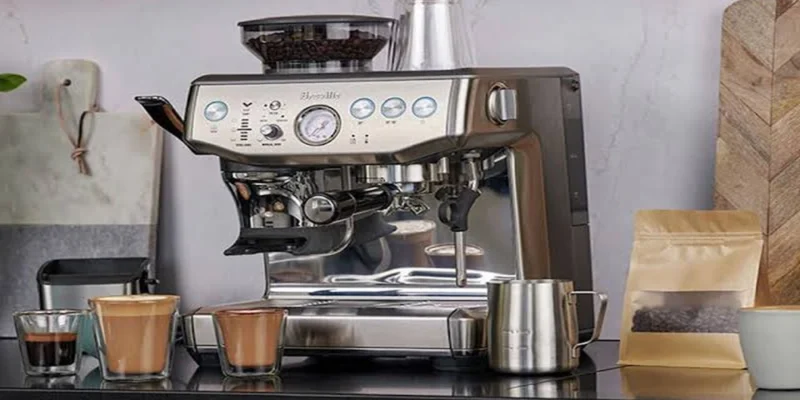
It’s tempting to assume that once an office has a working machine, the decision is settled for years to come, but the category has moved faster over the last five years than most procurement cycles account for. What counted as a premium office setup in 2019, a basic pod machine with a hot water tap, now reads as dated next to the connected, data-tracking equipment increasingly standard in comparable offices. Watching the broader coffee machine industry helps procurement teams avoid locking into equipment that looks behind within a single contract term.
Why Coffee Machine No Longer Means One Thing
The category once split cleanly into instant, pod and espresso machines, but that distinction has blurred considerably. Bean-to-cup units now dominate mid-market office procurement, combining grinder, brew unit and milk system in one footprint that didn’t exist as a mainstream option a decade ago. Comparing quotes without first confirming which sub-category a supplier is actually proposing is a common source of mismatched expectations, and it’s worth asking for a spec sheet rather than relying on a verbal description during a sales call.
The Shift From Instant to Bean-to-Cup
Instant and pod systems remain common in smaller offices purely on upfront cost, but bean-to-cup adoption has grown steadily as per-cup costs at scale have fallen and reliability has improved. Offices making the switch typically cite consistency and staff perception as the deciding factors over pure economics, since a bean-to-cup unit signals a different level of investment in the workplace than a capsule machine does.
Rising Demand for Specialty and Single-Origin Beans
Staff expectations have shifted alongside the equipment. Offices that once stocked one generic blend now field requests for single-origin options or at least a rotating selection, mirroring what employees expect from cafes outside the office. This has pushed machine manufacturers to widen hopper compatibility and grind adjustability, since specialty beans often need finer calibration than commodity blends. Some offices now rotate beans monthly in the same way a cafe might run a seasonal menu, treating the pantry as part of the overall workplace experience rather than a purely functional amenity.
Smart Machines and Usage Data
Connected machines that log cup counts, flag maintenance needs before a breakdown occurs, and report consumable levels remotely are moving from novelty to standard fitment on mid-to-high-end commercial units. For facilities teams managing multiple floors or sites, this usage data turns maintenance from a reactive callout model into a scheduled one, which measurably reduces downtime over a contract term.
Sustainability Pressures Reshaping Equipment Design
Capsule waste has become a genuine procurement concern for offices with sustainability commitments, pushing renewed interest in bean-to-cup and traditional brew systems that generate less single-use packaging. Manufacturers have responded with energy-saving standby modes and recyclable filter materials, and offices increasingly ask about these specifications during the tender process rather than treating them as an afterthought.
Subscription and As-a-Service Models
Equipment ownership itself is trending toward service-based models, where the machine, consumables and maintenance are bundled into one recurring cost rather than purchased and managed separately. This mirrors broader software-as-a-service thinking applied to physical equipment, and it suits offices that would rather budget a predictable monthly figure than manage capital expenditure and repair costs independently. A provider that keeps pace with these bean and equipment trends is generally easier to stay current with than managing supplier relationships piecemeal.
Hygiene Standards Since the Pandemic
Touchless dispensing, more frequent sanitisation cycles and self-cleaning brew groups became far more prominent in commercial machine design after 2020, and the expectation has stuck rather than faded. Offices evaluating equipment now routinely ask about cleaning cycle frequency and touch-point design as a standard part of the specification, not as an unusual request reserved for healthcare or food service settings. Facilities teams also increasingly document cleaning schedules as part of broader workplace hygiene audits, which makes machines with transparent, loggable cleaning cycles easier to justify internally.
Labour Costs Driving Automation Adoption
Rising staffing costs for pantry and facilities support have made fully automatic machines more attractive relative to semi-automatic units that need regular attention from office staff. The labour saved on manual dosing, tamping and milk steaming adds up across a working week, particularly in offices without a dedicated pantry attendant, which is increasingly the norm outside larger corporate campuses.
What These Trends Mean for Procurement Decisions
None of this means every office needs the most advanced connected machine on the market, but it does mean a five-year procurement decision should account for where the category is heading, not just where it stands today. Asking suppliers directly how their current range compares with what they were offering three years ago is a quick way to gauge whether a proposed machine is current or already trailing the market. It also helps to ask what proportion of their existing client base has upgraded within the last eighteen months, since that figure says more about real-world obsolescence than any marketing brochure.
Choosing Equipment That Won’t Be Outdated in Two Years
Favour machines with modular components that can be upgraded or swapped, such as replaceable grinder units and firmware-updatable connected features, over fixed-configuration models that lock the office into today’s specification. Ask suppliers directly about their product roadmap rather than only their current catalogue. Staying reasonably close to where the coffee machine industry is heading protects the investment for longer than chasing the cheapest quote on outgoing equipment.





Comments