
 By
By 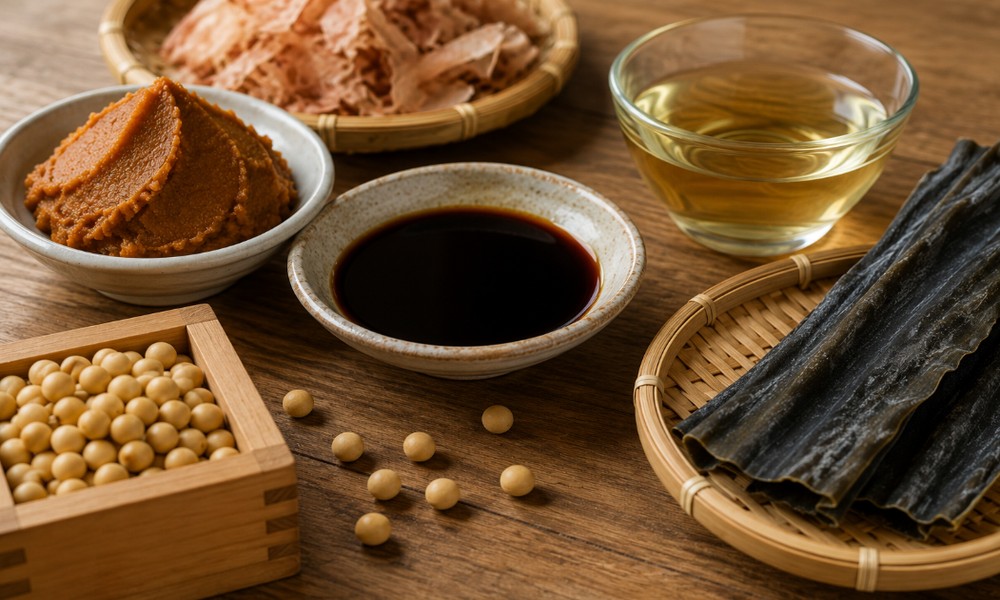
Japanese food is usually described as balanced, clean and deeply satisfying. Miso soup could appear to be easy. A small portion of vegetables simmered in water may appear unassuming. The grilled fish and rice might seem simple at first. But when you try it, you’ll notice an additional flavor that is not obvious.
The depth usually comes from umami.
Umami in Japanese food is among the primary reasons why Japanese food is rich and not always feeling heavy. It’s that delicious and rounded flavor making broth nourishing and sauces more elaborate and even the most basic ingredients taste complete. A lot of Japan’s best flavor-building ingredients are preserved or fermented foods like mirin, miso and shoyu as well as katsuobushi and kombu.
The ingredients might seem insignificant however they hold lots of power.
What is Umami?
Umami is sometimes referred to as the fifth taste of basic, alongside salty, sweet bitter, sour and sweet. It imparts food with a delicious taste. It makes a meal more flavorful, fuller and more enjoyable.
The way that umami is used in Japanese cuisine, the word umami is not typically make a loud noise. It operates quietly. Instead of covering up the primary ingredient, it bolsters it. This is the reason a simple soup, noodle broth or rice dish might be delicious even if the ingredients list isn’t long.
Umami in Japanese food is derived from foods that are rich in natural compounds like nucleotides and glutamates. In the event that these elements are paired the flavor becomes more intense. That’s why Japanese sauces and broths usually have a distinct flavor.
Miso Fermented Soybean Depth
Miso is among the most well-known fermented mainstays of Japanese cooking. It is created by fermenting soybeans and salt, koji, and sometimes barley or rice. This produces a slender paste that has a salty, earthy and savory taste.
There are a variety of miso available. White miso is generally light and sweet. Red miso is more powerful and saltier. It is also more deep. Mix miso is somewhere between.
Miso is most well-known in miso soup. However, it is also used in many other ways. It is used in dressings, marinades, sauces, glazes, and even vegetable dishes. A teaspoon of miso can make an ordinary dish taste more balanced.
Since miso is fermented it provides a richness that ordinary salt is unable to offer. It gives aroma, body and that delicious warm flavor that makes food taste cosy.
Shoyu: More Than Saltiness
Shoyu also known as Japanese soy sauce is a different food source that contains umami. It is made up of wheat, soybeans salt, water and Koji. After fermentation, it produces an savory, salty mildly sweet taste.
Many people see soy sauce as an salty spice. Shoyu is a great condiment with more to it than it. It is able to add colour and aroma as well as richness to your food. It is often used in dipping sauces, stewed dishes marinades, noodle broths and stir-fries.
Shoyu is also effective as it blends with dishes effortlessly. A small amount of it can enhance flavor, but not make the dish taste as if it were soy sauce. It’s one of the components that are a silent backbone in numerous Japanese dishes.
Mirin: Sweetness with Depth
Mirin can be described as a sweet rice-based spice commonly used for Japanese cooking. It imparts a subtle sweetness to the dish, a glimmer, and a harmony. While it’s not sweet in the same way as shoyu or miso it can help support umami by reducing the strong and salty flavors.
Mirin is frequently used alongside the shoyu ingredient in glazes and sauces. The combination results in a sweet and salty balance that is evident in a variety of dishes, from teriyaki-style recipes to stewed and boiled fish and vegetables.
It also reduces the odours of meat and fish. This small aspect is important. Mirin is not only a way to make food taste sweeter. It can make the flavours feel more smooth and connected.
Katsuobushi: Smoky, Savory Power
Katsuobushi is fermented, dried and smoking bonito. It is typically shaved into fine pieces. They are very light and delicate, yet the flavor is intense.
Katsuobushi is among the most important ingredients of dashi the base broth utilized in many Japanese dishes. When it is combined with kombu it makes an unmistakably clear broth flavorful, savory and fragrant.
The taste of katsuobushi is strong, ocean-like and smoky. It provides food with a delicious taste without the need for salt or a serious seasoning. It can be sprinkled on rice, vegetables, tofu or noodles for extra flavor and motion.
Kombu: The Silent Basis of Umami
Kombu is dried in the form of kelp. It may not be visually appealing but it’s one of the main umami-rich ingredients used in Japanese cooking. Kombu is naturally high in glutamate, and provides a rich and savory flavor.
When kombu is either soaked or lightly heated in water the flavor is released slowly. This provides a fresh mineral-rich base for sauces, soups and stews and noodle broths.
Kombu is often combined with katsuobushi to create Dashi. Together, they give an umami flavor that is stronger than each ingredient on its own. This is the reason why that dashi tastes so rich even though it’s light and transparent.
What makes these ingredients work
Japanese cuisine often relies on balance instead of excessive. Miso, shoyu and mirin Katsuobushi, Kombu, and mirin each brings something unique.
Miso provides fermented richness. Shoyu is a salty addition. Mirin is a sweet and polished ingredient. Katsuobushi gives a smokey savory taste. Kombu adds clean ocean-like umami.
Together, they form layers. The flavor of soups can be warm and rich. Sauces can be smooth and well-balanced. A simple vegetable dish can taste complete.
This is the true quality that umami provides in Japanese food. It allows food to feel sophisticated and satisfying.
Final Thoughts
The umami flavor in Japanese cooking is a result of perseverance, fermentation, as well as intelligent layering. Ingredients such as miso, shoyu mirin, katsuobushi and kombu might not always appear distinct by themselves, but they influence the taste of many popular recipes.
They can make food taste more delicious without making it heavier. They give comfort without excessive weight or. In the end, they illustrate how strong staples can be if utilized in a manner that is judiciously.
This is the reason Japanese taste is so unforgettable. It’s not just about what’s added. It’s all about the way each component ties into each other.
This post was written by a professional at Fortu. Fortu stands out among the top Restaurants St Petersburg FL, offering an elevated Pan-Asian dining experience in the heart of St. Petersburg, Florida. Celebrating Asia’s vibrant and diverse culture, Fortu introduces bright and bold flavors to a bright and bold city with a menu of locally and sustainably sourced options, from small bites to hearty delicacies. Whether winding down from a beach day or celebrating a special occasion, guests can enjoy a lush, alluring atmosphere and an authentic taste of Asia’s divine cuisine at one of the finest Pan-Asian Restaurant.










Comments