
Category: Soup

  • Sipping on Health: The Nutritional Perks of Bone Broth in Soups

    Sipping on Health: The Nutritional Perks of Bone Broth in Soups

    The nutritional benefits of bone broth and its use in soups

    Bone broth is a healing elixir that has been consumed for centuries, thanks to its nutrient-dense properties. The slow simmering of beef, chicken or fish bones releases an abundance of minerals, amino acids, and collagen into the broth, providing a host of benefits for the body. Here are some reasons why bone broth should be a staple in your diet.

    Improves Gut Health

    The amino acids found in bone broth, such as glutamine and proline, are excellent for repairing the gut lining and reducing inflammation, making it a great choice for those with digestive disorders or leaky gut syndrome. Furthermore, the gelatin in the broth helps improve digestion and gut health by increasing the production of gastric juices.

    Supports Joint Health

    The collagen in bone broth has been shown to strengthen and support joint mobility and flexibility, making it perfect for those with arthritis or other joint-related issues. It is also a great source of glucosamine and chondroitin, which are vital nutrients for joint health.

    Boosts Immunity

    Rich in vitamins and minerals like calcium, magnesium, and potassium, bone broth can help improve overall health and boost immunity. Additionally, the amino acids found in bone broth have been shown to reduce inflammation, which is linked to various health conditions.

    Incorporating Bone Broth in Soups

    Bone broth is a versatile ingredient that can be incorporated into a variety of recipes, but the most popular way is through soups. Here are some ideas on how to incorporate this nutrient-dense broth into your soups.

    • Use bone broth as the base for your soup instead of water or store-bought broth.
    • Make a hearty beef stew with bone broth as the main ingredient.
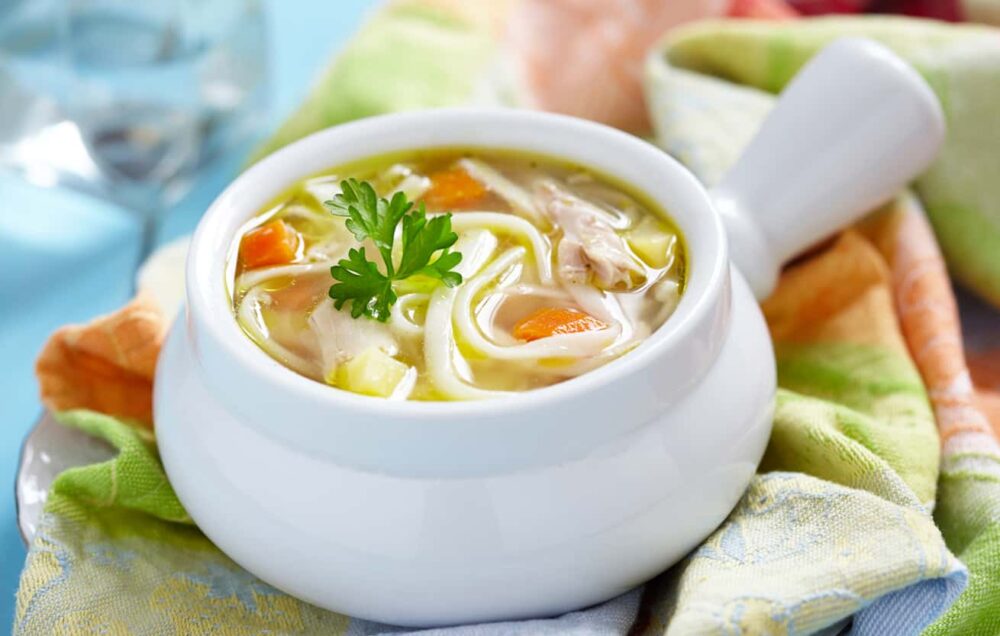
    • Use chicken bone broth in chicken noodle soup for an extra dose of flavor and nutrition.
    • Make a vegan soup with miso paste and add bone broth for added flavor.

    Overall, bone broth as a celebrated food in the wellness space provides a long list of benefits for consumers. From supporting joint health to improving gut health and boosting immunity, incorporating it in soups offer an additional layer of flavor and nutritional perks.

  • The Use of Soup as a Means of Reducing Food Waste

    The Use of Soup as a Means of Reducing Food Waste

    Food waste is a growing issue in today’s society. According to the Food and Agriculture Organization of the United Nations (FAO), one-third of all food produced for human consumption is wasted each year.

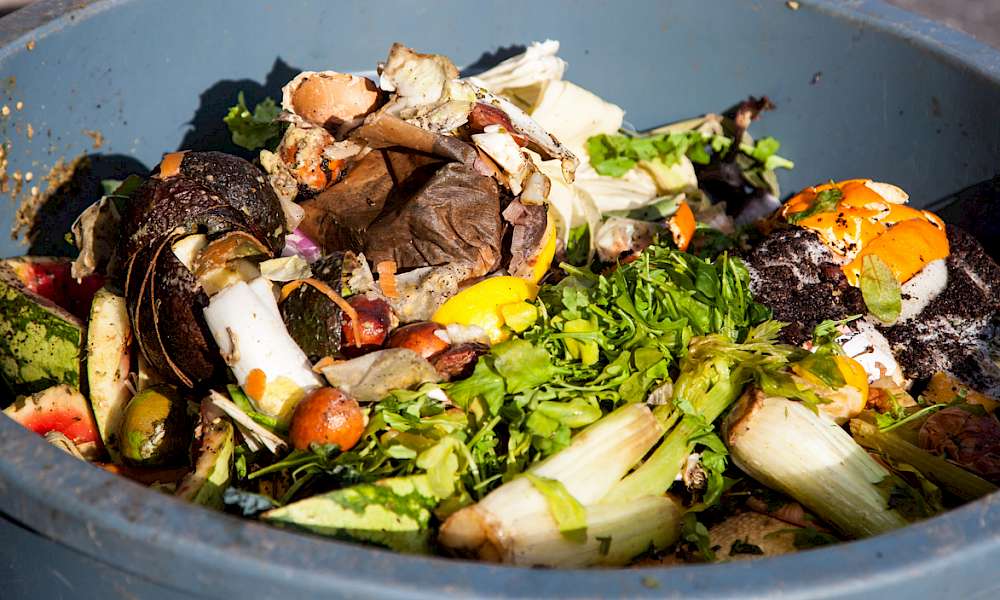
    One solution to this problem is the use of soup as a means of reducing food waste. Soup is an easy and versatile dish that can be made with a variety of ingredients, including leftovers that might otherwise go to waste. By using up leftover vegetables, meats, and grains, soup helps to reduce food waste and save money at the same time.


    Benefits of Using Soup to Reduce Food Waste

    • Increased Food Efficiency: Soup uses up leftover bits and pieces that would otherwise get thrown away. By using up these ingredients, we can reduce the amount of food waste we produce.
    • Improved Nutrition: Soup is a healthy and nutritious way to use up leftover ingredients. By combining a variety of vegetables, meats, and grains, we can create a balanced and hearty meal.
    • Save Money: By using up leftovers to make soup, we are reducing the amount of food we need to buy. This can help to save money on groceries and reduce our overall food budget.
    • Easy to Make: Soup is a quick and easy dish to prepare. With a little bit of chopping and simmering, we can create a delicious and satisfying meal.

    Tips for Making Soup with Leftovers

    Here are some tips on how to make soup with leftover ingredients:

    1. Use a variety of ingredients: Try using a mix of vegetables, meats, and grains to create a flavorful and balanced soup.
    2. Season well: Add plenty of spices and herbs to enhance the flavor of the soup.
    3. Don’t be afraid to experiment: Soup is a versatile dish that can be made with a variety of ingredients. Don’t be afraid to mix and match different flavors and ingredients to create your own unique soup.
    4. Freeze leftovers: If you make too much soup, don’t let it go to waste. Freeze it in individual portions for a quick and easy meal later on.

    Using soup as a means of reducing food waste is a simple and effective way to help combat the growing issue of food waste. By using up leftovers to create tasty and nutritious meals, we can reduce the amount of food we waste and save money at the same time.

  • Finding Comfort in a Bowl of Soup: The Healing Power of Soup during Illness and Grief

    Finding Comfort in a Bowl of Soup: The Healing Power of Soup during Illness and Grief

    Soup is known as one of the most nourishing and soothing foods in the world. Its warmth, aroma, and taste can provide instant comfort and relief to those who are feeling ill or grieving. The healing power of soup has been recognized for centuries and is often recommended by healthcare professionals for those who are struggling with their physical or emotional health.

    Why Soup is a Go-To Comfort Food?

    When a person is sick or going through a tough time, it’s not uncommon to lose appetite and feel weak. Soup can be a great way to get essential nutrients and hydration without putting a strain on the digestive system. Moreover, soup is easy to digest, gentle on the stomach, and can be customized to meet specific dietary needs. From chicken noodle soup to vegetable broth and cream of mushroom soup, there are many flavors and variations to choose from, depending on what a person likes and tolerates.

    Soup as a Symbol of Care and Love

    Besides its nutritional value, soup also has emotional benefits. In many cultures, soup is considered a symbol of care, love, and compassion. It’s often prepared with ingredients that have special meanings or associations with healing, such as ginger, garlic, turmeric, and lemon. When someone makes a pot of soup for a sick or grieving friend, they are not just providing food, but also expressing their concern and support.

    The Science of Soup and Healing

    The healing power of soup is not just a matter of cultural belief. Research shows that soup has physiological benefits that can boost immunity, reduce inflammation, and improve mental health. For instance, chicken soup has been found to have anti-inflammatory effects that can ease respiratory symptoms and speed up recovery from infections. Bone broth, which is made by simmering bones and connective tissues, is rich in collagen, gelatin, and amino acids that can support gut health, joint health, and skin health. Moreover, the act of cooking and eating soup can be therapeutic and calming, providing a sense of routine and comfort.

    Whether you are feeling under the weather or going through a difficult time, soup can be a source of comfort, nourishment, and healing. By incorporating soup into your diet, you can provide your body and mind with the nutrients and support it needs to face the challenges ahead. So, next time you are in need of some tender loving care, grab a bowl of soup and savor its warmth and goodness.

  • The Versatility of Gazpacho Soup and Its Variations

    The Versatility of Gazpacho Soup and Its Variations

    Gazpacho soup is a traditional dish that has been enjoyed in Spain for centuries. It is a cold soup that is perfect for hot summer days, and it is also incredibly versatile. Gazpacho soup can be made with a variety of ingredients, and it can be served in many different ways. In this article, we will explore the versatility of gazpacho soup and its many delicious variations.

    Traditional Gazpacho Soup

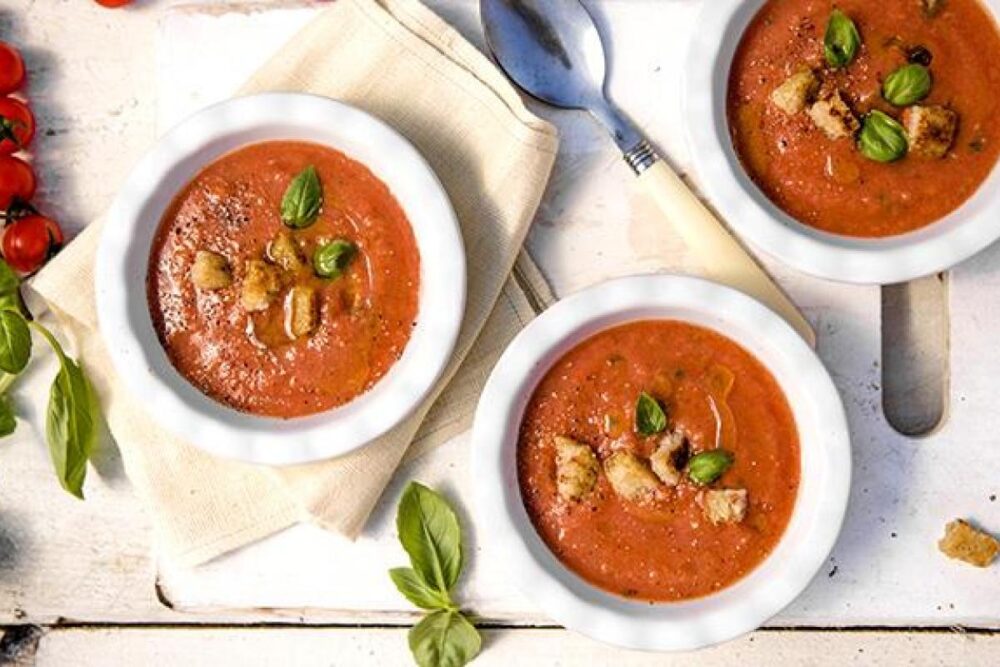
    The most common type of gazpacho soup is made with tomatoes, cucumbers, red peppers, garlic, olive oil, and bread. All the ingredients are blended together to create a smooth and refreshing soup. This version is usually served cold and garnished with croutons on top.

    Fruit Gazpacho Soup

    For a unique twist on traditional gazpacho soup, you can add fruits like watermelon, mangoes, or strawberries. Fruit gazpacho soup is a perfect way to cool down on hot summer days, and it is also an excellent option for those who prefer a sweeter and tangier taste.

    Avocado Gazpacho Soup

    Another delicious variation of gazpacho soup is made with avocados. This version is creamy and rich, and it is perfect for those who want a heartier soup. Avocado gazpacho soup is made with avocados, cucumbers, garlic, olive oil, and lemon juice. This soup is also usually served cold and garnished with chopped cilantro on top.

    Gazpacho Shots

    If you want to serve gazpacho soup at a party or as an appetizer, you can make gazpacho shots. These shots are made by pouring gazpacho soup into shot glasses and garnishing them with croutons or small cubes of cheese. Gazpacho shots are perfect for summer parties or as a light and refreshing appetizer.

    Gazpacho Salsa

    Gazpacho salsa is another delicious way to enjoy gazpacho soup. This variation is made by combining chopped tomatoes, cucumbers, red onion, garlic, and cilantro with a little bit of gazpacho soup. This salsa can be served with tortilla chips as a snack or as a topping for grilled meats or fish.

    Dessert Gazpacho Soup

    Finally, for those with a sweet tooth, dessert gazpacho soup is perfect. This variation is made with fruits like strawberries, mangoes, and peaches, as well as a little bit of sugar and yogurt. This soup can be served cold and garnished with whipped cream, mint leaves, or even a scoop of vanilla ice cream.

    • Overall, gazpacho soup is incredibly versatile and can be modified to suit any taste or occasion.
    • Whether you prefer a traditional version or want to try something new, there is a gazpacho soup variation for everyone.
    • So the next time you are looking for a light and refreshing soup, consider trying gazpacho soup.
  • The Science Behind the Perfect Bowl of French Onion Soup

    The Science Behind the Perfect Bowl of French Onion Soup

    French onion soup is a classic dish that has been enjoyed for centuries. But did you know that there is actually a science behind making the perfect bowl of French onion soup? Here’s how:

    Ingredients

    • 4 large yellow onions, thinly sliced
    • 4 tbsp. unsalted butter
    • 3 cloves garlic, minced
    • 2 tbsp. all-purpose flour
    • 8 cups beef broth
    • 1 cup red wine
    • 1 tsp. thyme
    • 1 bay leaf
    • Salt and pepper to taste
    • 6-8 slices French baguette
    • 1 cup Gruyere cheese, shredded

    Sautéing the Onions

    The first step in making the perfect bowl of French onion soup is to sauté the onions. This may seem simple, but there is actually a science behind it. When onions are sliced, they release a compound called alliinase. This enzyme reacts with the sulfur compounds in the onion, producing a volatile gas called syn-propanethial-S-oxide. This gas is what makes you tear up when cutting onions.

    To reduce the tears, it is important to sauté the onions over low heat, which slows down the reaction between the alliinase and sulfur compounds. This will also allow the onions to caramelize slowly and develop a rich, sweet flavor. It may take up to 45 minutes to properly caramelize the onions, but the end result is worth it.

    The Broth

    The next step is to add the beef broth and red wine to the caramelized onions. The combination of the two creates a rich, savory base for the soup. The addition of thyme and a bay leaf add another layer of flavor, while salt and pepper bring out the flavors of the other ingredients.

    The Bread and Cheese

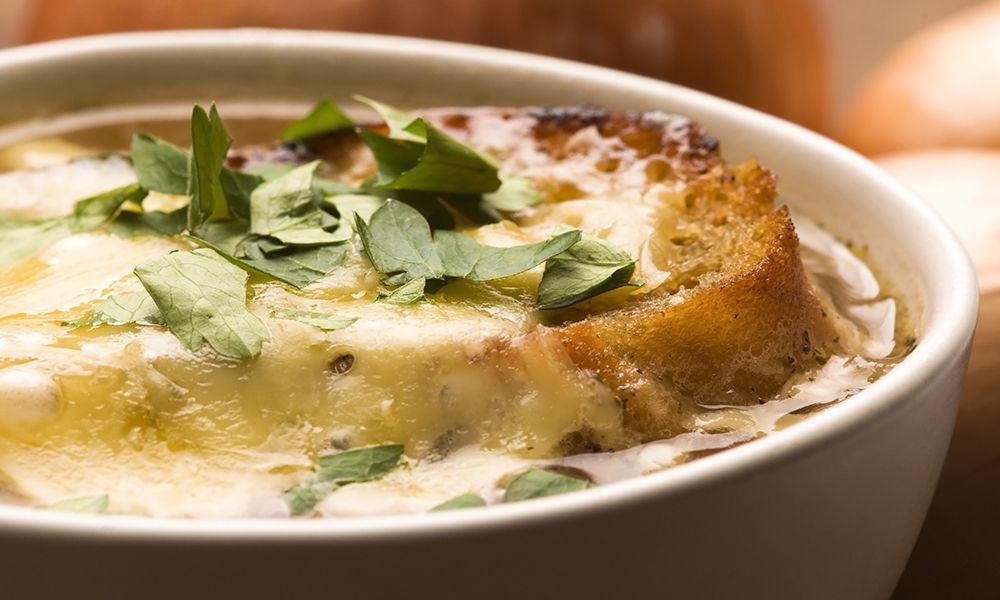
    The final step in making the perfect bowl of French onion soup is to add the bread and cheese. A slice of French baguette is placed on top of the soup and covered with shredded Gruyere cheese. The soup is then broiled until the cheese is melted and bubbly.

    But why bread and cheese? The bread serves two purposes. First, it adds texture to the soup, making it more satisfying to eat. Second, it helps to thicken the soup. The cheese, on the other hand, provides a salty, nutty flavor that compliments the sweetness of the caramelized onions. When melted, the cheese creates a beautiful golden crust over the soup, which is both tasty and visually appealing.

    The Perfect Bowl of French Onion Soup

    The science behind making the perfect bowl of French onion soup is all about balance. By sautéing the onions slowly, adding the right combination of broth and wine, and adding bread and cheese to finish it off, each component is able to complement the others, resulting in a soup that is rich, comforting, and oh-so-delicious.