Category: Chocolate

  • The Surprising Versatility of Chocolate in Savory Dishes: An Exploration of Mole Sauce

    The Surprising Versatility of Chocolate in Savory Dishes: An Exploration of Mole Sauce

    When we think of chocolate, our minds might conjure up images of sweet treats – chocolate bars, cakes, and desserts. But chocolate can also be used to add richness and depth of flavor to savory dishes, particularly in the case of mole sauce.

    What is Mole Sauce?

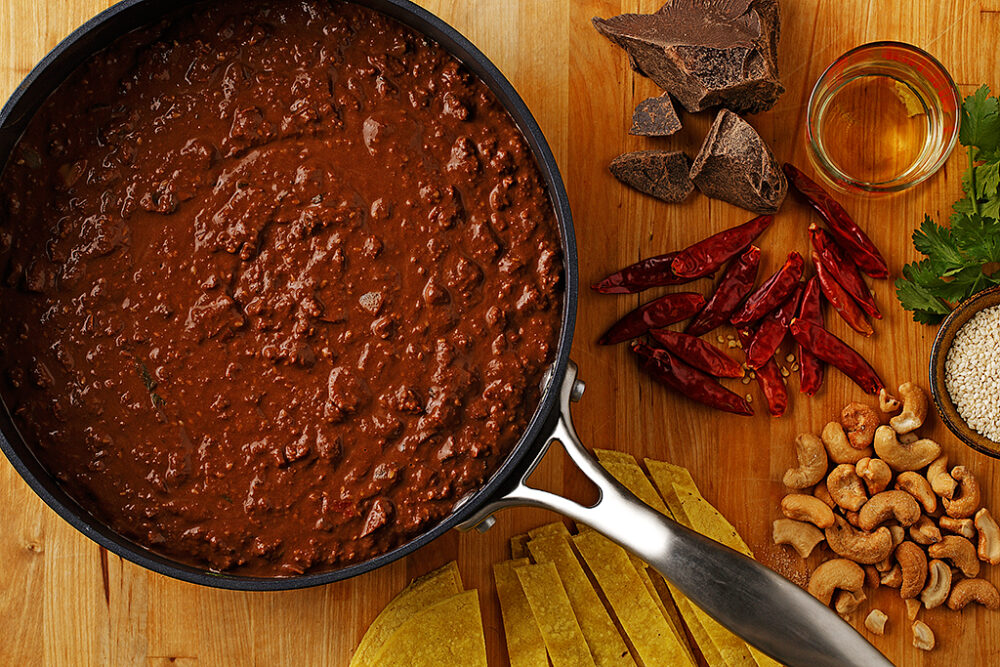
    Mole sauce is a traditional Mexican sauce that combines a variety of ingredients to create a complex, rich flavor. While there are many variations of mole sauce, most contain chili peppers, nuts, spices, and – you guessed it – chocolate. The use of chocolate helps to balance out the spiciness of the sauce and adds a subtle sweetness that complements the other flavors.

    Using Chocolate in Savory Dishes

    Mole sauce is just one example of how chocolate can be used in savory dishes. Chocolate can be incorporated into the sauce of braised dishes, such as beef or chicken, to add depth of flavor. It can also be used as a glaze for roasted vegetables or as a seasoning for chili or stews.

    When using chocolate in savory dishes, it’s important to choose a high-quality chocolate that doesn’t contain too much sugar. Bittersweet chocolate is a good option, as it has a relatively high percentage of cocoa and a lower amount of sugar.

    A Recipe for Mole Sauce

    If you’re interested in trying your hand at making mole sauce, here’s a recipe to get you started:

    1. Heat a skillet over medium heat and toast 2 tablespoons of sesame seeds until lightly browned. Remove from heat and set aside.
    2. In the same skillet, toast 3-4 dried chili peppers until fragrant. Remove from heat and remove the stems and seeds.
    3. In a blender, combine the toasted sesame seeds and chili peppers with 1/2 cup of chicken or vegetable broth, 1/4 cup of raisins, 1/4 cup of almonds, 1/4 cup of sunflower seeds, 1 tablespoon of cumin, 1 teaspoon of cinnamon, 1 teaspoon of oregano, and 1/2 teaspoon of salt. Blend until smooth.
    4. In a large pot, heat 1-2 tablespoons of oil over medium heat. Add 1 diced onion and 3 minced garlic cloves and sauté until soft.
    5. Add the blended mixture to the pot and stir to combine. Add another 1-2 cups of chicken or vegetable broth and 1-2 ounces of bittersweet chocolate. Simmer for 30 minutes or until the sauce has thickened.
    6. Use the mole sauce as a topping for chicken, beef, or vegetables, or as a dipping sauce for tortilla chips.

    With its surprising versatility and rich flavor, chocolate is a welcome addition to savory dishes like mole sauce. Give it a try and let your taste buds be the judge!

  • Mastering the Art of Chocolate Sculptures: A Delectable Journey of Creativity

    Mastering the Art of Chocolate Sculptures: A Delectable Journey of Creativity

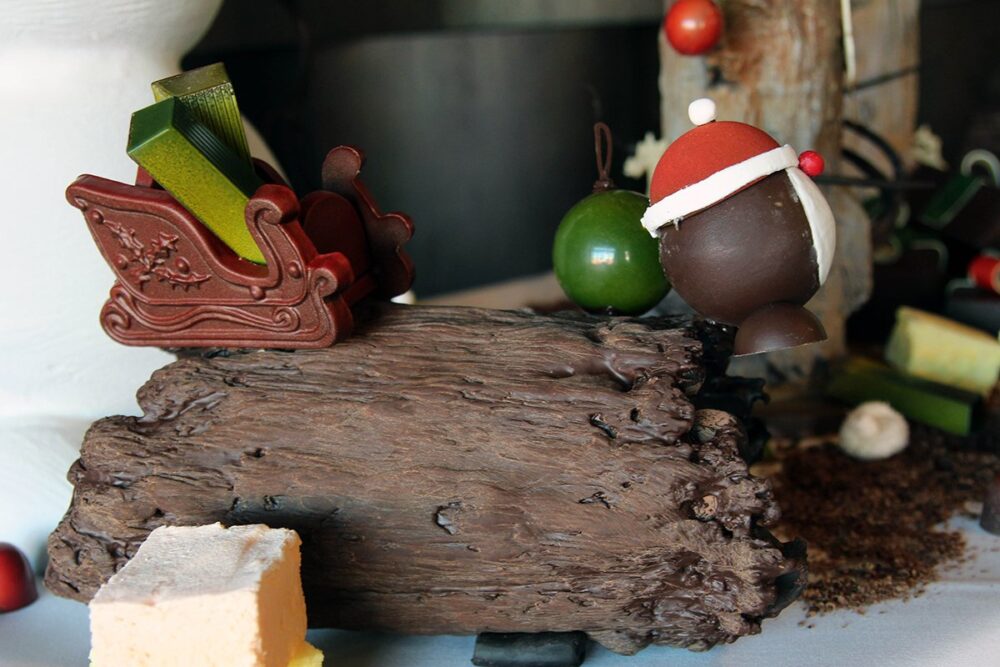
    The culinary world is filled with numerous art forms, each one requiring precision, patience, and creativity. One such form of art is creating chocolate sculptures and decorations, which involves transforming chocolate into intricate masterpieces.

    The Art of Chocolate Sculpture

    Chocolate sculptures are often seen as a form of edible art that is not only visually appealing but also tantalizing to the taste buds. The process of creating chocolate sculptures requires artistic abilities and technical expertise to bring to life a vision that started as a concept.

    The steps involved in creating chocolate sculptures are similar to those of traditional sculptures. The artist begins with a sketch or a model of what they want to create, then molds the chocolate into the desired shape using molds, tools, or by free-hand depending on the complexity of the design.

    One challenge of sculpting with chocolate is the medium’s tendency to melt easily at room temperature. As such, the sculptor must work quickly to avoid ruining their creation. Some artists add edible additives to help stabilize the chocolate and reduce the likelihood of melting.

    The Artistry of Chocolate Decorations

    Chocolate decorations are a popular way to embellish a finished dessert, adding a touch of sophistication and elegance. Making chocolate decorations, however, is not a simple task. It requires an artist’s eye for detail and a steady hand to create intricate designs that are both visually stunning and flavorful.

    The process of constructing chocolate decorations involves the artist using specialized utensils such as piping bags, molds, and brushes to create intricate and elaborate designs. These designs can range from simple swirls to elaborate designs, such as flowers, butterflies, and geometric patterns.

    The Importance of Creativity in Chocolate Art

    When creating chocolate sculptures and decorations, creativity plays a vital role in bringing ideas to life. Unlike traditional sculptures that are often made from stone or metal, chocolate sculptures allow artists to express their creativity in ways that are unique, flavorful, and dynamic.

    Artistic expression, imagination, and creativity are essential ingredients that allow artists to create custom-made designs that delight the senses. The journey of creating chocolate sculptures and decorations is not just about creating something beautiful but also conveying a message through the chosen elements and design.

    Creating chocolate sculptures and decorations is a remarkable feat that requires a blend of creativity, technical expertise, and artistic flair. As an art form, the possibilities with chocolate are endless, and the final creation is not just a treat for the taste buds, but a feast for the eyes and soul.

    • A simple check to ensure the chocolate sculpture does not melt is to keep the working area cool.
    • The temperature of the chocolate while sculpting is also important, and the ideal range is 88 to 90-degree Fahrenheit for dark chocolate and 84 to 86-degree Fahrenheit for milk and white chocolate
  • The Popularity of Bean-to-Bar Chocolate Production and Its Impact on the Industry

    The Popularity of Bean-to-Bar Chocolate Production and Its Impact on the Industry

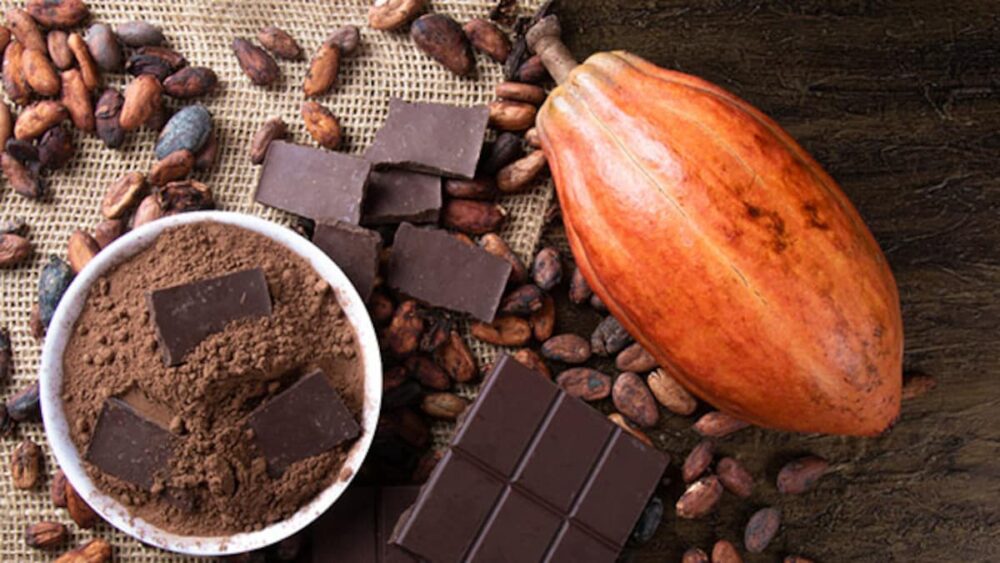
    Bean-to-bar chocolate production is a trend that has been gaining popularity in the chocolate industry in recent years. This process involves chocolate makers sourcing their own cocoa beans and producing chocolate from scratch, rather than using mass-produced chocolate or pre-made chocolate ingredients.

    The impact of bean-to-bar chocolate production has been significant on the industry. Here are some of the ways in which it has influenced chocolate production and consumer behavior:

    Increased Quality and Transparency

    By controlling the entire chocolate-making process, bean-to-bar chocolate makers are able to ensure high quality and transparency in their products. They can trace the origin of their cocoa beans and adjust their processing methods accordingly, resulting in a unique and distinctive chocolate flavor.

    Furthermore, bean-to-bar chocolate makers are able to avoid the use of additives and preservatives commonly found in mass-produced chocolate, resulting in a purer and healthier product. This has resonated with consumers who are increasingly health-conscious and value transparency in their food products.

    Promoting Ethical Practices

    Bean-to-bar chocolate makers have a deeper understanding of the cocoa supply chain and are more likely to source their cocoa beans from ethical and sustainable sources. This promotes fair practices and helps to support cocoa farmers in developing countries.

    Consumers appreciate this level of social responsibility and are more likely to support companies that prioritize ethical practices. As a result, bean-to-bar chocolate producers have been successful at capturing a growing market share.

    Creative Innovation

    Bean-to-bar chocolate production has encouraged a culture of innovation and creativity among chocolate makers. With complete control of the chocolate making process, bean-to-bar producers are able to experiment with unique flavor combinations and textures, resulting in an endless variety of chocolate products.

    This has led to a surge of interest in artisanal chocolate and has expanded the chocolate market beyond traditional milk and dark chocolate varieties. Consumers are eager to try new and exciting flavor combinations, which has created a demand for bean-to-bar chocolate products.

    Bean-to-bar chocolate production has had a significant impact on the chocolate industry since its emergence. It has led to increased quality and transparency in chocolate products, promoted ethical practices and social responsibility, encouraged creative innovation among chocolate makers, and has captured a growing market share.

    As more consumers seek healthier and more socially conscious food choices, the popularity of bean-to-bar chocolate production is likely to continue to grow.

  • The Symbolism of Chocolate in Gift-giving and Romance

    The Symbolism of Chocolate in Gift-giving and Romance

    Chocolates have been a popular gift for many occasions, but it’s hard to ignore the symbolism attached to them, especially when it comes to romance. In this article, we explore the meaning behind chocolate in gift-giving and romance.

    The History of Chocolate as a Gift

    The significance of chocolate as a gift dates back to the Aztecs, who believed that chocolate had divine properties and was a symbol of wealth and power. The tradition of giving chocolate as a gift then spread to Europe during the 16th century, where it became a luxury item reserved for aristocrats.

    The Symbolism of Chocolate in Romance

    Chocolate has been associated with romance since the 1900s, when companies such as Cadbury and Hershey’s began marketing chocolate specifically for Valentine’s Day. It is now a common gift given on occasions such as anniversaries, birthdays, and Valentine’s Day.

    Chocolate is often seen as a symbol of love and affection because of its sweet taste and its ability to evoke feelings of pleasure and happiness. Additionally, the act of giving chocolate can be seen as a thoughtful gesture that shows the recipient how much they are appreciated and cared for.

    Moreover, there is a scientific explanation for why chocolate is associated with romance. Chocolate contains a chemical called phenylethylamine, which is known to stimulate the release of endorphins and serotonin in the brain. These chemicals are associated with feelings of happiness and well-being, which can create a positive association with the giver of the chocolate.

    The Different Types of Chocolate and Their Meanings

    Not all chocolates are created equal, and the type of chocolate you give can also have a meaning behind it:

    • Milk chocolate: This is the most common type of chocolate and is often associated with friendship and caring.
    • Dark chocolate: Dark chocolate has a more complex and intense flavor, and is often associated with passion and love.
    • White chocolate: While technically not a chocolate because it doesn’t contain cocoa solids, white chocolate is still associated with sweetness and affection.

    In addition to the type of chocolate, the way it is presented can also have meaning. For example, a heart-shaped box of chocolates may symbolize love and romance, while a simple bar of chocolate may represent friendship or gratitude.

    Chocolate has been deeply intertwined with gift-giving and romance for centuries, and its popularity shows no signs of slowing down. Whether it’s given as a token of friendship, gratitude, or love, chocolate is sure to bring a smile to the recipient’s face.

  • The Sweet Science of Chocolate: Benefits and Drawbacks

    The Sweet Science of Chocolate: Benefits and Drawbacks

    Chocolate is more than just a sweet treat. Its consumption, in controlled amounts, has been linked to various health benefits. But, as with any delicious indulgence, too much of a good thing can be bad.

    Benefits of Chocolate

    Dark chocolate, in particular, is known for containing high levels of antioxidants. These substances help fight free radicals, which cause cellular damage leading to cancer, heart disease, and aging. Eating chocolate may lead to a reduced risk of these ailments.

    • Chocolate also contains caffeine and theobromine, which can boost mood, energy, and mental alertness.
    • Research has shown that chocolate consumption can improve blood flow, leading to improved cardiovascular health and a lower risk of stroke.
    • The flavonoids in cocoa have been shown to reduce inflammation and improve brain function, potentially reducing the risk of neurodegenerative diseases.

    Drawbacks of Chocolate

    While the benefits of chocolate are numerous, it’s essential to consume it in moderation. Overindulging in chocolate can lead to several drawbacks:

    • The sugar content of chocolate can cause dental cavities and contribute to weight gain and obesity.
    • Chocolate contains high amounts of calories and fat, which can lead to high cholesterol levels and increased risk of heart disease.
    • Consuming too much chocolate can lead to caffeine and theobromine overdose, which can lead to anxiety, restlessness, and even cardiac arrest in extreme cases.

    It’s important to remember to consume chocolate like any other treat – in moderation. Whether enjoyed as a snack or as part of a dessert, it’s essential to practice moderation in order to reap the benefits and avoid the drawbacks of consuming chocolate.