
 By
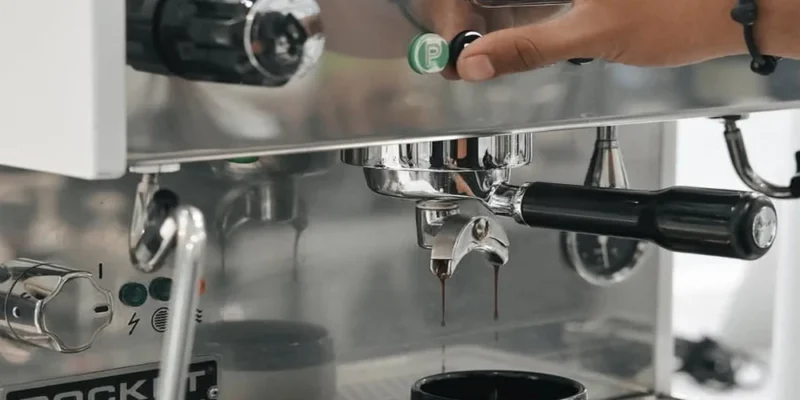
Convenience in the workplace is often discussed in terms of software, desks and meeting rooms, yet one of the most visited spots on any floor is the pantry. A good coffee maker machine for office saves small amounts of time many times a day, and those minutes add up across a team. The clearest way to judge convenience is to follow a single working day and see where a machine helps or gets in the way, from the first cup before the morning meeting to the last one before a late deadline.
Eight in the Morning: Speed at the Peak
The first hour is when most offices make the most drinks. If each cup takes ninety seconds and ten people arrive together, the last person waits a quarter of an hour. Machines with faster brewing cycles, twin spouts or the ability to queue orders reduce that bottleneck. Watching the pantry for one morning before choosing equipment shows exactly how severe the peak is and how much speed actually matters for your team, and whether a second machine would serve better than one larger unit.
One-Touch Drinks for Everyone
Convenience means anyone can make their preferred drink without instructions. Clear touchscreens or labelled buttons, saved favourites and adjustable strength let staff get it right the first time. Visitors and new hires should be able to use the machine without asking for help. Machines that require manual milk frothing or bean dosing tend to become the domain of one enthusiast, while everyone else returns to instant sachets or the café downstairs.
Midday: Keeping the Machine Ready
By lunchtime the bean hopper may be half empty, the grounds container filling and the water tank low. Convenient machines warn users before they run out rather than stopping mid-drink, and they are easy to refill without tools. Larger hoppers and plumbed water supply reduce interruptions further. Assigning one person per week to check supplies before lunch prevents the afternoon from starting with an out-of-order sign on the pantry counter.
Three in the Afternoon: The Second Wave
Many offices see a second rush in mid-afternoon, often with a shift towards milk drinks, tea and chocolate. A machine that only does espresso well disappoints at this point. A broader menu, including hot water for tea, keeps people on site. Reviewing commercial coffee machine options with this second wave in mind helps confirm the chosen model handles variety as comfortably as it handles volume in the morning rush.
Client Meetings and Hospitality
A good cup offered to visitors reflects well on the business. In meeting rooms, a machine near the boardroom or a quick way to make several drinks at once saves staff from carrying trays across the floor. Some offices place a second, smaller unit near reception for this purpose. Consistent quality matters here, because a weak or lukewarm coffee served to a client is remembered for the wrong reasons.
Evening: Cleaning Without Drama
At the end of the day, convenience depends on how easy the machine is to clean. Automatic rinse cycles at switch-off, dishwasher-safe milk parts and clear prompts for weekly descaling reduce effort. When cleaning is awkward, it gets skipped, and taste and hygiene suffer within weeks. Agreeing a simple rota and keeping cleaning supplies beside the machine turns maintenance into a two-minute habit rather than a chore everyone avoids. Agreeing who does it matters more than which product is used.
Placement in the Pantry
Where the machine sits shapes how pleasant it is to use. Allow space for a small queue without blocking the fridge or sink, keep cups and stirrers within reach, and place the bin nearby. Avoid corners where steam and heat build up. Good lighting and a clear counter make the pantry feel cared for, which encourages people to keep it tidy. Check that power and, if needed, water supply are available at the chosen spot.
Reliability Is the Real Convenience
A feature-rich machine that breaks every month is less convenient than a simpler one that never stops. Look for proven models, local service support and preventive maintenance visits that catch wear before it causes failure. Some machines report errors or low supplies remotely, allowing a technician to respond before staff notice. Ask suppliers about typical response times, since one dead week in the pantry quickly erases any goodwill created.
Measuring Whether It Works
After installation, check whether convenience has actually improved. Are queues shorter at peak times? Are fewer people leaving the building for coffee? Is the machine clean and stocked when people arrive? A short survey after the first month gives clear answers and highlights small fixes, such as moving cups closer or changing the default strength, that make a noticeable difference to daily use.
Choosing for Your Workplace
Begin with how your team actually drinks coffee across the day, including the peaks, the drink mix and visitors. Shortlist machines that handle that pattern easily, are simple for anyone to use and clean, and come with dependable local service. Then compare running costs over several years. Taking this approach to selecting a coffee machine for the office ensures the convenience you pay for shows up in everyday working life.










Comments