
 By
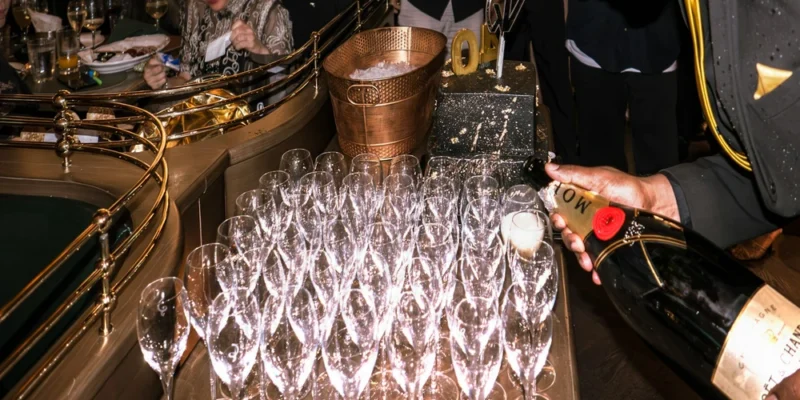
Champagne is often reserved for weddings, anniversaries and New Year’s Eve. Yet this famous sparkling wine has far more to offer than a festive toast. Its freshness, acidity and fine bubbles make it a versatile companion at the table, capable of enhancing everything from delicate seafood to rich, savoury dishes.
The secret lies in choosing the right style for the occasion. A crisp Brut Nature will not deliver the same experience as a rounder Blanc de Blancs or a fruity rosé. Understanding these differences makes it easier to create Champagne and food pairings that bring out the best in both the wine and the dish.
1. Understanding Champagne Styles Before Choosing Your Menu
Before opening a bottle, consider its grape varieties, sweetness and ageing. These characteristics influence how the wine interacts with food.
Brut Champagne is a reliable all-rounder. Its balance of acidity and moderate dosage works well with a wide range of dishes. Blanc de Blancs, made entirely from white grapes, usually Chardonnay, often offers citrus notes and a mineral freshness that suits seafood. Blanc de Noirs, produced from black grapes such as Pinot Noir and Meunier, tends to have more body and can stand up to richer recipes.
Rosé Champagne brings red-fruit aromas and often pairs particularly well with duck, salmon and certain desserts.
If you are planning a special dinner or a festive gathering, exploring good Champagne recommendations for your next celebration can help you find a bottle that suits both your menu and your budget.
2. Seafood and Starters: Let Freshness Lead the Way
Few combinations work as naturally as Champagne and seafood. The wine’s acidity cuts through rich textures, while its bubbles refresh the palate between bites.
Which Champagne goes best with seafood?
For oysters, prawns, scallops and white fish, choose a Blanc de Blancs Champagne or a Brut with pronounced freshness. Its citrus and mineral notes complement the delicate flavours of shellfish without overwhelming them.
Smoked salmon is another excellent match. A classic Brut balances its saltiness and oily texture, while a rosé can add a subtle red-fruit dimension.
For starters, try pairing Champagne with:
- Fresh oysters or prawns with a squeeze of lemon.
- Smoked salmon on toasted bread.
- Goat’s cheese tartlets with fresh herbs.
- Light vegetable canapés or savoury gougères.
Avoid overpowering delicate seafood with heavy sauces, excessive chilli or strong vinegar. These ingredients can make the wine seem less balanced.
3. Main Courses: From Poultry to Richer Meat Dishes
Champagne is not limited to aperitifs. The right bottle can accompany a substantial main course, provided its structure matches the dish.
Poultry, veal and creamy sauces
Roast chicken is a particularly dependable choice. A mature Brut or Blanc de Noirs has enough body to complement golden skin and savoury juices. For chicken in a creamy mushroom sauce, an aged Champagne with toasted, nutty aromas can add depth to the pairing.
Veal and turkey also work well, especially when served with herbs, roasted vegetables or a light cream sauce.
Duck, red meat and bold flavours
Duck breast pairs naturally with rosé Champagne, whose red-fruit character complements the meat’s richness. A fuller-bodied Blanc de Noirs can also work well.
Red meat requires more care. Champagne can accompany roast beef or veal, but heavily grilled steaks with intense char and powerful sauces may overwhelm a delicate bottle. Choose a structured Champagne and keep the seasoning balanced.
The guiding principle is simple: the more intense the dish, the more body and complexity the wine should have.
4. Cheese and Champagne: A Pairing Worth Exploring
Cheese boards offer plenty of opportunities to discover new combinations. However, not every cheese works equally well with every bottle.
Fresh goat’s cheese pairs beautifully with a lively Blanc de Blancs. Brie and Camembert can complement a rounder Brut, particularly when the wine has some ageing. A mature Champagne with brioche and toasted-nut notes may also work with aged hard cheeses.
Blue cheese is more challenging because its saltiness and pungency can dominate a dry sparkling wine. If you want to serve it with Champagne, consider a slightly sweeter style or add a sweet accompaniment, such as pear or honey.
For a varied cheese board, choose two or three cheeses with different textures rather than filling it with strong, competing flavours.
5. Desserts: Should You Serve Champagne With Something Sweet?
Champagne can accompany dessert, but sweetness matters. One of the most common pairing mistakes is serving a very dry wine with a dessert that is significantly sweeter. The contrast can make the Champagne taste sharp or sour.
For fruit-based desserts, rosé Champagne can complement strawberries, raspberries and red-fruit tarts. A demi-sec Champagne, which contains more sugar than a Brut, is often a better choice for sweeter pastries and fruit desserts.
Chocolate is more difficult, especially when it is dark and intense. If chocolate is on the menu, consider a lighter chocolate mousse or a dessert with red berries rather than an especially bitter preparation.
For a successful match, the Champagne should be at least as sweet as the dessert. This simple rule helps preserve the wine’s balance.
6. Serving Temperature and Timing Make a Difference
Even a carefully chosen bottle can disappoint if it is served too warm or too cold. Temperature affects the way Champagne releases its aromas and expresses its texture.
As a general guide, serve non-vintage Champagne at around 8 to 10°C. More complex vintage bottles can benefit from a slightly warmer temperature, around 10 to 12°C, allowing their aromas to develop.
Avoid leaving Champagne in the freezer for too long. A gradual chill in an ice bucket filled with water and ice is a better option.
Think about the order of service, too. A fresh, lighter Champagne usually works well at the beginning of a meal, while a richer or more mature bottle can accompany the main course. You do not need a different bottle for every dish. Two well-chosen Champagnes can be enough to carry an entire dinner.
Champagne and Food Pairing: Frequently Asked Questions
What food pairs best with Champagne?
Seafood, oysters, smoked salmon, roast chicken and mild cheeses are excellent choices. The best pairing depends on the Champagne’s acidity, body and sweetness.
Is Champagne better with fish or meat?
It works with both. Blanc de Blancs is particularly suited to delicate fish and shellfish, while rosé and Blanc de Noirs can complement richer dishes such as duck and roast poultry.
Can you drink Champagne throughout a meal?
Yes. Choose a versatile Brut for several courses, or serve different styles as the menu progresses. Match the wine’s intensity to the food.
Which Champagne should you serve with dessert?
Rosé Champagne can work well with red-fruit desserts, while demi-sec is generally better suited to sweeter pastries. The wine should not taste noticeably less sweet than the dessert.
Should Champagne be served before or during dinner?
Both options work. Champagne makes an excellent aperitif, but many styles are also well suited to starters, main courses and cheese.
A Better Meal Starts With the Right Bottle
Choosing Champagne for a meal does not have to be complicated. Start with the ingredients, consider the wine’s structure and pay attention to sweetness. A fresh Blanc de Blancs can elevate seafood, a structured Brut can accompany roast chicken, and a rosé can bring extra character to duck or berry desserts.
Above all, do not save Champagne exclusively for special occasions. When the bottle suits the food, Champagne becomes part of the meal rather than just the opening toast.




Comments