
 By
By 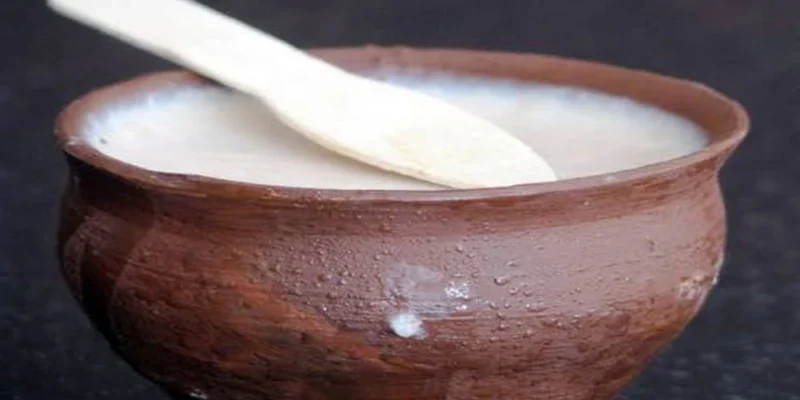
Some traditional sweets become strongly connected with the places where people make and enjoy them. Puran Poli and mishti doi are good examples. They represent two very different dessert traditions.
Puran Poli food is a warm, stuffed flatbread made with lentils and jaggery, while mishti doi is a sweet, fermented yogurt linked with Bengal. Over time, both sweets spread to other regions, where people adapted them to local food traditions.
The History of Puran Poli
Puran Poli’s Medieval Roots
Puran Poli has been around in the Deccan area for a very long time. A 12th-century book called Manasollasa mentions a similar sweet dish. King Someshvara III of the Western Chalukya wrote this book. It describes a lentil-based sweet, which helps us learn about the early days of Puran Poli.
Puran Poli food is made with a soft dough and a sweet filling called puran. This filling typically includes cooked chana dal (a lentil), jaggery and sometimes cardamom or nutmeg for a more flavourful taste. The dough is then rolled out with the filling and cooked on a hot griddle, with a small amount of ghee generally used during cooking to enhance its rich flavor.
Poli Across Regions and Festivals
You can find different versions of Puran Poli across Western and Southern India. Maharashtra is especially known for this sweet. In Gujarat, you may know it as “Vedmi”, while Karnataka calls it “Holige” or “Obbattu”. In Andhra Pradesh or Telangana, you may come across versions called Bobbattu or Bakshalu.
The name and recipe may change from one region to another, but the basic idea stays the same: a sweet filling wrapped in soft dough and cooked until golden.
Ingredients can vary from place to place. Some versions use different types of lentils, while others include coconut in the filling. The dough may also use different flours.
Festivals have helped keep Puran Poli as a family tradition. Many families make it during special times like Holi, Gudi Padwa, and Ganesh Chaturthi. For some families, making the filling, rolling out the dough, and cooking the Polis together is a special part of their celebration.
The Origin of Mishti Doi
From Bengal’s Dairy Tradition to Mishti Doi
The mishti doi origin is generally associated with Bogra, now in Bangladesh. It grew out of Bengal’s long tradition of fermented dairy foods and eventually became a popular sweet in its own right.
Traditional mishti doi starts with milk boiled until it thickens. Then add sugar or date palm jaggery for sweetness. A small amount of yogurt is mixed in to start fermentation. As the milk thickens and ferments, it develops the creamy texture and sweet, rich taste associated with mishti doi.
No one knows exactly who first created the dessert. Families and sweet makers in Bogra and nearby areas are often associated with its early days.
Why the Earthen Pot Matters
The traditional clay pot used to make mishti doi is more than a fancy container. It also helps give the dessert a special texture. The clay has tiny holes that allow some moisture to escape as the yogurt hardens. As a result, the mishti doi becomes thicker and creamier.
The clay pot has also become closely linked to how mishti doi is served. A small earthen pot filled with caramel-coloured yogurt is a familiar sight at Bengali sweet shops and celebrations. Reduced milk, sweetener, fermentation and the clay pot all contribute to the texture and appearance people associate with traditional mishti doi.
Conclusion
The story of Puran Poli and mishti doi shows how traditional sweets can change as they reach different places. You can find several versions of Puran Poli across Western and Southern India, with different names and small ingredient changes.
Mishti doi comes from Bengal’s dairy traditions and is especially popular in places like Bogra. Traditional methods still use earthen pots to make it. Although both sweets have changed over the years, they remain important for family celebrations and local food traditions.








Comments