Tag: food

  • The Symbolism of Chocolate in Gift-giving and Romance

    The Symbolism of Chocolate in Gift-giving and Romance

    Chocolates have been a popular gift for many occasions, but it’s hard to ignore the symbolism attached to them, especially when it comes to romance. In this article, we explore the meaning behind chocolate in gift-giving and romance.

    The History of Chocolate as a Gift

    The significance of chocolate as a gift dates back to the Aztecs, who believed that chocolate had divine properties and was a symbol of wealth and power. The tradition of giving chocolate as a gift then spread to Europe during the 16th century, where it became a luxury item reserved for aristocrats.

    The Symbolism of Chocolate in Romance

    Chocolate has been associated with romance since the 1900s, when companies such as Cadbury and Hershey’s began marketing chocolate specifically for Valentine’s Day. It is now a common gift given on occasions such as anniversaries, birthdays, and Valentine’s Day.

    Chocolate is often seen as a symbol of love and affection because of its sweet taste and its ability to evoke feelings of pleasure and happiness. Additionally, the act of giving chocolate can be seen as a thoughtful gesture that shows the recipient how much they are appreciated and cared for.

    Moreover, there is a scientific explanation for why chocolate is associated with romance. Chocolate contains a chemical called phenylethylamine, which is known to stimulate the release of endorphins and serotonin in the brain. These chemicals are associated with feelings of happiness and well-being, which can create a positive association with the giver of the chocolate.

    The Different Types of Chocolate and Their Meanings

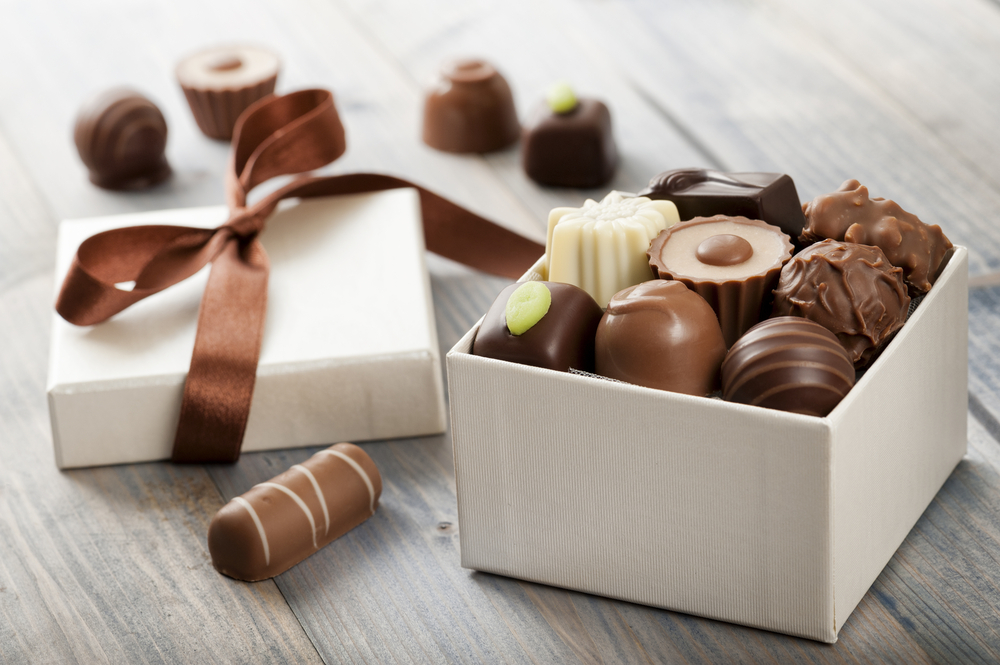
    Not all chocolates are created equal, and the type of chocolate you give can also have a meaning behind it:

    • Milk chocolate: This is the most common type of chocolate and is often associated with friendship and caring.
    • Dark chocolate: Dark chocolate has a more complex and intense flavor, and is often associated with passion and love.
    • White chocolate: While technically not a chocolate because it doesn’t contain cocoa solids, white chocolate is still associated with sweetness and affection.

    In addition to the type of chocolate, the way it is presented can also have meaning. For example, a heart-shaped box of chocolates may symbolize love and romance, while a simple bar of chocolate may represent friendship or gratitude.

    Chocolate has been deeply intertwined with gift-giving and romance for centuries, and its popularity shows no signs of slowing down. Whether it’s given as a token of friendship, gratitude, or love, chocolate is sure to bring a smile to the recipient’s face.

  • The Art and Science of Making the Perfect Macaron

    The Art and Science of Making the Perfect Macaron

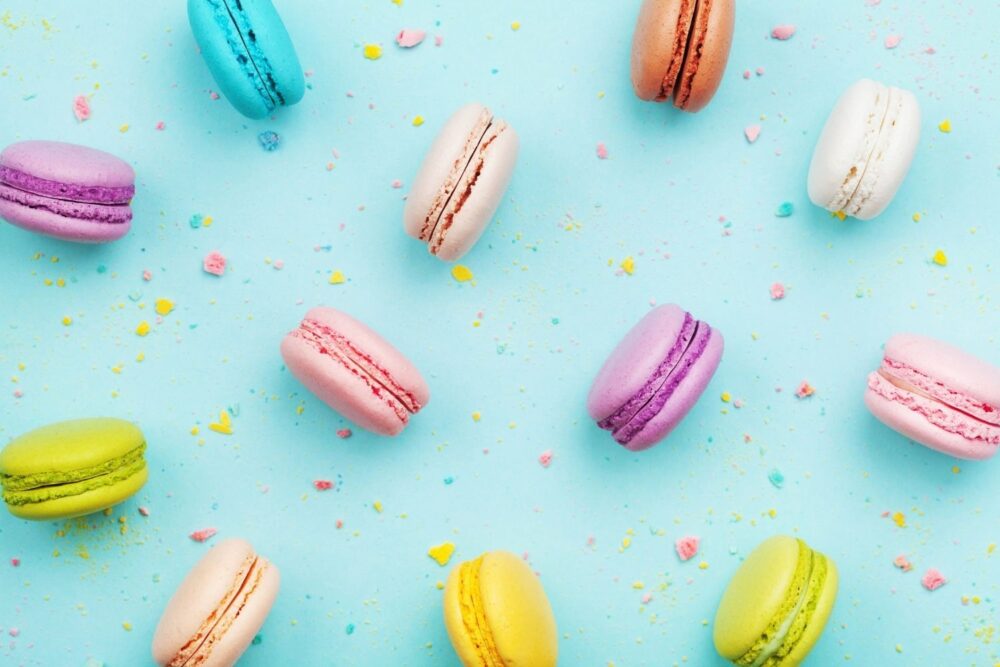
    Macarons are a delicious and delicate French dessert that have become increasingly popular around the world. They are small, colorful and filled with a variety of flavors. Making the perfect macaron requires a combination of art and science.

    The Science of Macaron Making

    Macarons are made from a mixture of egg whites, sugar, and almond flour. The mixture needs to be whipped to a precise consistency before adding any additional flavors or food coloring. Over-whipping the mixture will cause the macarons to crack and become too dry, while under-whipping the mixture will result in flat, dense macarons.

    The oven temperature and cooking time are also crucial in making the perfect macaron. The oven needs to be preheated to the correct temperature to allow the macarons to rise and develop their signature ‘feet.’ Overcooking the macarons will cause them to dry out and become brittle, while undercooking them will result in a soft, gooey texture.

    The Art of Macaron Making

    While the science behind making macarons is important, the art of macaron making lies in the design and presentation. Macarons come in a variety of colors and flavors, and the sky’s the limit when it comes to decorating and creating unique combinations.

    The filling is also an important part of the macaron-making process. Traditionally, a buttercream or ganache filling is used, but there are endless possibilities when it comes to creating unique fillings. For example, a fruit puree or jam filling can add a tart contrast to the sweetness of the macaron shell.

    Tips for Making the Perfect Macaron

    • Use a kitchen scale to ensure precise measurements of ingredients
    • Sift the almond flour and powdered sugar together to remove any lumps
    • Allow the macaron shells to cool completely before filling them
    • Practice makes perfect – don’t be discouraged if your first batch isn’t perfect!

    Now that you know the art and science behind making the perfect macaron, try experimenting with different flavors and fillings to create your own unique creations. With a little practice and patience, you’ll be making delicious and beautiful macarons in no time!

  • The History and Evolution of the Hamburger

    The History and Evolution of the Hamburger

    The hamburger is an iconic dish loved by millions of people all over the world. The combination of a meat patty, lettuce, tomato, and bread is so simple, yet so delicious. But do you know the history and evolution of this American classic?

    Origins

    The origins of the hamburger can be traced back to the 19th century. Some believe that the idea of putting meat between two slices of bread came from the German city of Hamburg, where a dish called “Rundstück warm” was popular. This dish was made up of a warm steak served between two bread slices.

    However, the modern hamburger as we know it today was invented in the United States. There are many claims about who first created it, but most agree that it was invented sometime in the early 1900s. One of the most popular stories is that of Louis Lassen, a Danish immigrant who owned a lunch wagon in New Haven, Connecticut. In 1900, he created a sandwich featuring a ground beef patty between two slices of bread, which he called the “hamburger”.

    Evolution

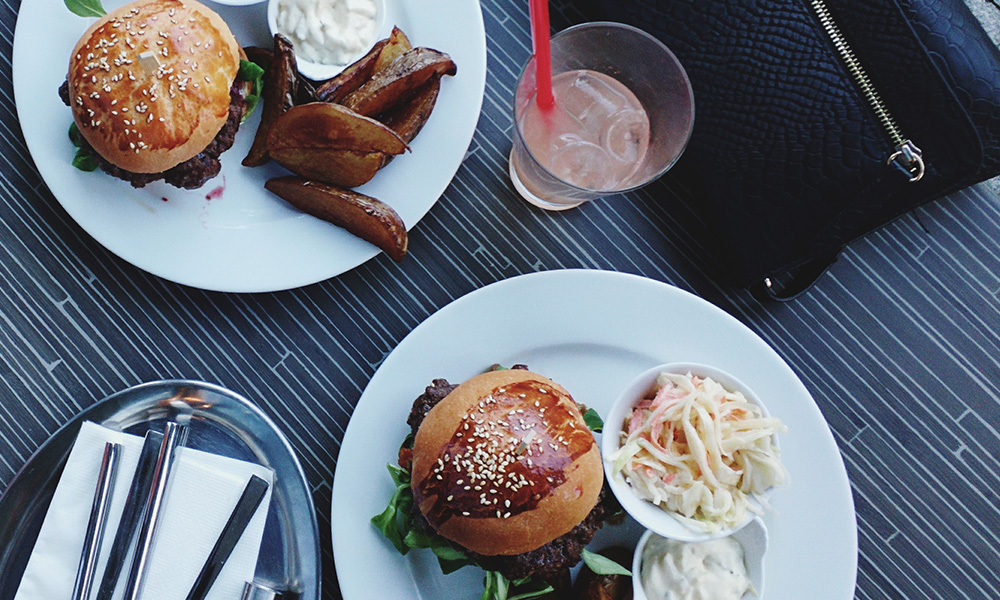
    Since its creation, the hamburger has evolved and changed in many ways. In the early 1900s, hamburgers were typically sold from carts and stalls on city streets. They were seen as a quick and easy meal for the working class. Over time, hamburgers became a staple at diners and fast-food restaurants, where they were often served with fries and a drink.

    In the 1950s and 1960s, the hamburger became a symbol of American culture, and fast-food chains like McDonald’s and Burger King began to dominate the market. These chains standardized the burger, making it more consistent and easier to produce in large quantities.

    Recently, there has been a move towards gourmet burgers, with many restaurants and food trucks offering unique and creative versions of the classic burger. From artisanal buns to unusual toppings like foie gras, truffle oil, and even peanut butter, the modern hamburger has come a long way from its humble origins.

    The Future of the Hamburger

    As people become more health-conscious, there has been a growing demand for healthier and more sustainable burger options. Many restaurants and fast-food chains are now offering plant-based burgers made from ingredients like soy, mushrooms, and beetroot. These burgers aim to provide the same taste and texture as traditional burgers but with a smaller environmental footprint.

    Overall, the hamburger has had a long and fascinating journey throughout history, from its humble roots as a street food to its current status as an American icon. No matter how it evolves in the future, it will always hold a special place in our hearts (and stomachs).