
 By
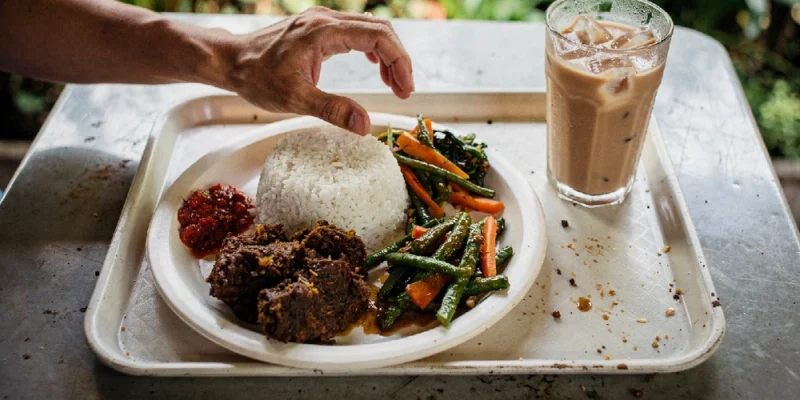
For many households and organisations in Singapore, halal catering is not optional. It is a basic requirement whenever Muslim guests attend. Yet the word halal is sometimes used loosely, and not every caterer that says it serves halal food holds a certificate. Understanding how halal food catering singapore is certified, and what that certification covers in the kitchen, helps hosts choose with confidence. This article explains the main points in plain terms.
What Halal Means for Food
Halal means permissible under Islamic law. For food, it covers what ingredients are used and how they are sourced, handled and prepared. Pork and its by-products, alcohol and meat from animals not slaughtered according to Islamic requirements are not permitted. Halal also requires that permitted food is kept free from contamination with non-halal items, which is why preparation practices matter as much as the menu itself. The concept also includes the idea of wholesome, clean food, known as toyyib, which is why hygiene forms part of the picture.
Who Certifies Halal in Singapore
In Singapore, halal certification is administered by MUIS, the Islamic Religious Council of Singapore. It runs several certification schemes for different types of businesses, including eating establishments, food preparation areas such as central kitchens and catering kitchens, products and whole plants. Caterers usually hold certification for the premises where food is prepared. Certificates are issued for a set period and must be renewed. A caterer operating several kitchens may hold certificates for some sites and not others, which is why the address matters.
How to Verify a Certificate
A caterer that holds halal certification should be able to show the certificate readily. If the certificate on display is out of date, ask whether renewal is in progress before placing an order. Check a few key details:
- The name of the company on the certificate
- The address of the certified premises
- The scheme under which it is certified
- The expiry date
MUIS also maintains an online directory where certified establishments can be checked. A quick search confirms that the certificate is current.
Ingredient Sourcing and Approval
Certified caterers must source ingredients from approved suppliers. Meat must come from halal-certified sources, and processed items such as sauces, seasonings and stocks must also be checked. Each ingredient is reviewed as part of the certification process. When a caterer adds a new dish, its ingredients need to meet the same standard. This is one of the less visible but most important aspects of halal catering. Imported ingredients need recognised halal certification from their country of origin, which MUIS checks against the bodies it accepts.
Kitchen Practices and Separation
Halal certification looks closely at how food is prepared. A certified kitchen keeps non-halal food and ingredients out entirely. Utensils, equipment and storage must also be free from contamination. Staff are trained in these requirements, and certified establishments are expected to have Muslim staff as part of the arrangements. These controls are what give guests confidence when food from halal food catering singapore providers is served at an event.
Inspections and Ongoing Compliance
Certification is not a one-time check. Certified premises are subject to audits and inspections to confirm they continue to meet requirements. Records of ingredient purchases and supplier certificates are reviewed. If a caterer changes suppliers or menus, it must ensure these remain compliant. A caterer that keeps its certification current is demonstrating ongoing compliance, not just a past approval. Hosts do not need to understand every audit detail, but a current certificate is good evidence that these checks are being passed.
Muslim-Owned Versus Halal-Certified
Some hosts assume a Muslim-owned business is automatically halal-certified, or that certification requires Muslim ownership. Neither is true. Certification depends on meeting MUIS requirements, regardless of ownership. A Muslim-owned caterer may be uncertified, and a non-Muslim-owned caterer may hold full certification. For events where halal matters, the certificate is the reliable indicator. The same applies to restaurants and caterers that describe themselves as pork-free or no pork no lard, which is not the same as being certified.
Delivery and Event Handling
Halal assurance continues after food leaves the kitchen. Caterers should deliver food in clean containers and avoid mixing it with non-halal items during transport. At the venue, hosts should keep halal food separate from any other food or drinks brought by guests. Serving utensils should be dedicated to the halal buffet. These simple steps keep the food halal right up to the moment it is served. If the same venue is serving alcohol to other guests, keep it well away from the halal buffet table.
Questions to Ask Your Caterer
When booking, a few direct questions clarify the caterer’s halal status:
- Is the kitchen preparing my order halal-certified?
- Which certification scheme applies?
- Are all menu items covered?
- How is food kept separate during delivery?
Clear, confident answers are a good sign.
Choosing With Confidence
Halal certification gives guests assurance that the food they eat meets their religious requirements. For hosts, checking the certificate and understanding how the kitchen works is a simple step that avoids uncertainty. For events where this matters, a halal-certified catering company in Singapore can provide its certificate details and explain how food is prepared and delivered. Keep a copy of the certificate with your event documents in case guests or venue staff ask.





Comments