
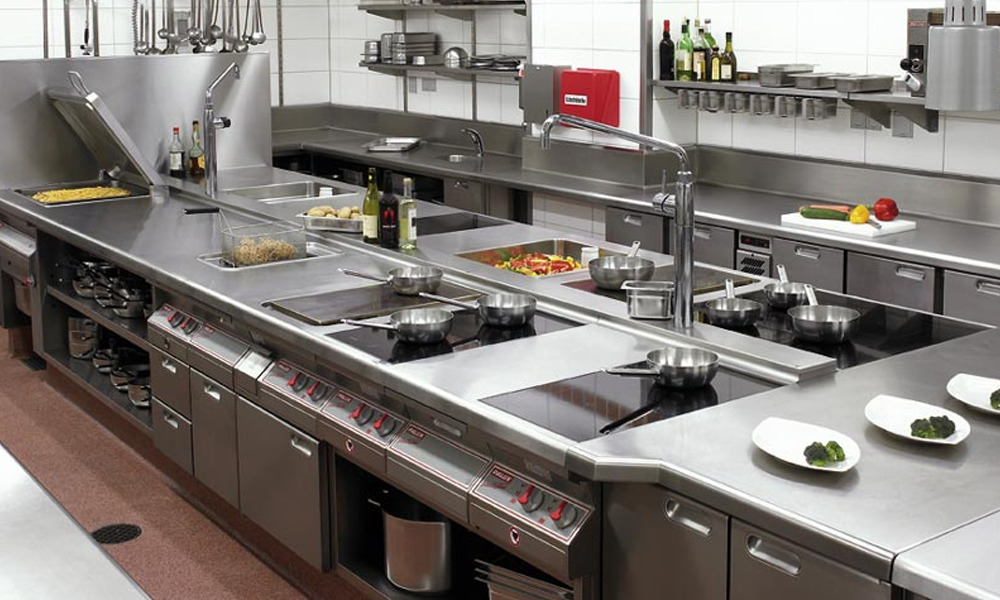
Industrial Kitchen Equipment represents the beating heart of every successful commercial food operation, from bustling restaurants to sprawling hotel kitchens. In a world where culinary excellence meets operational efficiency, the right professional kitchen apparatus can mean the difference between thriving and merely surviving in today’s competitive marketplace.
The landscape of commercial food service has undergone a remarkable transformation, with establishments increasingly recognising that their success hinges not just on exceptional recipes, but on the sophisticated machinery that brings those creations to life. This shift reflects a deeper understanding of how industrial-grade culinary equipment serves as the foundation upon which sustainable, profitable food businesses are built.
The Current State of Commercial Kitchen Equipment Markets
Recent market analysis reveals extraordinary growth patterns across the global commercial kitchen appliance sector. The Industrial Kitchen Equipment Market was valued at USD 10,328.11 million in 2024 and is expected to reach USD 10,989.11 million in 2025, growing to USD 17,981.42 million by 2033, with a compound annual growth rate (CAGR) of 6.4% from 2025 to 2033.
This remarkable expansion reflects fundamental shifts in how we approach food preparation and service. The numbers tell a story of innovation, efficiency, and the relentless pursuit of culinary excellence through technological advancement.
Understanding the Components of Professional Kitchen Systems
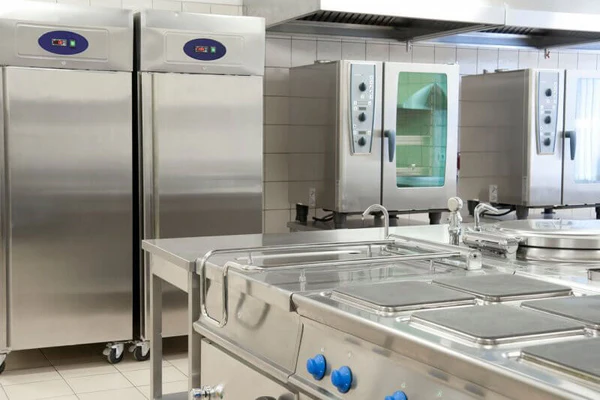
Industrial cooking equipment encompasses a vast ecosystem of interconnected components, each serving a critical role in the broader culinary operation. From high-capacity refrigeration units that preserve ingredient integrity to precision cooking ranges that deliver consistent results, these systems work in harmony to create seamless food production environments.
The sophistication of modern commercial kitchen machinery extends far beyond traditional cooking methods. Today’s equipment incorporates:
- Smart technology integration that allows remote monitoring and predictive maintenance
- Energy-efficient designs that reduce operational costs whilst maintaining peak performance
- Automated systems that ensure consistency and reduce labour requirements
- Modular configurations that adapt to changing business needs and space constraints
The Singapore Success Story: A Regional Perspective
Singapore’s food service industry provides compelling evidence of how strategic investment in industrial kitchen equipment drives market success. The city-state’s position as a culinary hub reflects deliberate choices about equipment quality and operational efficiency.
Singapore’s commercial cooking equipment market has specific forecasting tables covering product types, market size, and end-user segments from 2024-2030, demonstrating the market’s maturity and the government’s recognition of its strategic importance. Local operators understand that commercial kitchen equipment represents more than mere tools—they’re investments in long-term sustainability and growth.
Singapore’s approach offers valuable lessons for operators worldwide: the integration of cutting-edge industrial culinary equipment with traditional food culture creates opportunities for both innovation and authenticity. This balance has positioned Singapore as a model for effective commercial kitchen equipment deployment in diverse market conditions.
The Technology Revolution in Professional Kitchens
Modern industrial kitchen equipment has evolved into sophisticated systems that blur the lines between traditional cooking and advanced manufacturing. 30% of newly developed products feature IoT-enabled solutions, allowing users to remotely monitor and control kitchen appliances, representing a fundamental shift towards intelligent food preparation environments.
This technological integration delivers tangible benefits that extend beyond mere convenience. Operators report significant improvements in:
- Consistency of food quality through precise temperature and timing controls
- Reduced waste via improved monitoring and predictive systems
- Enhanced safety through automated shut-off and alert systems
- Streamlined operations that require fewer staff whilst maintaining output quality
Energy Efficiency: The Environmental and Economic Imperative
The drive towards sustainable operations has positioned energy efficiency as a critical consideration in equipment selection. Products such as energy-efficient ovens and fryers contributing to a 22% reduction in energy use across commercial kitchens demonstrate the tangible benefits of modern industrial kitchen technology.
This focus on efficiency reflects broader societal shifts towards environmental responsibility, but the benefits extend well beyond good corporate citizenship. Reduced energy consumption translates directly into lower operational costs, improved profit margins, and enhanced competitive positioning in increasingly price-sensitive markets.
Investment Considerations for Commercial Kitchen Equipment
Selecting appropriate industrial kitchen equipment requires careful consideration of multiple factors that extend beyond initial purchase price. Successful operators evaluate total cost of ownership, including maintenance requirements, energy consumption, and expected lifespan.
The most successful equipment investments typically feature:
- Robust construction that withstands demanding commercial environments
- Flexible configurations that adapt to changing menu requirements
- Comprehensive warranty coverage that protects against unexpected failures
- Local service support that minimises downtime during repairs
Future Trends Shaping Industrial Kitchen Equipment
The evolution of commercial kitchen technology continues at an unprecedented pace, driven by changing consumer expectations and operational demands. Cloud-based kitchen management systems are becoming standard, whilst artificial intelligence increasingly influences equipment design and functionality.
Multifunctional appliances, which offer versatility in space-limited kitchens, expected to account for 15% of the market by 2025, reflecting the industry’s response to urban space constraints and operational efficiency demands.
Conclusion: The Strategic Importance of Equipment Selection
The success of any food service operation ultimately depends on the thoughtful integration of people, processes, and technology. Whilst talented chefs and efficient systems remain crucial, the foundation of sustainable success lies in selecting and maintaining appropriate industrial kitchen equipment that supports long-term growth and operational excellence.
The investments made today in professional kitchen equipment will determine tomorrow’s competitive position, making equipment selection one of the most critical strategic decisions facing food service operators. As markets continue evolving and customer expectations rise, those who understand and embrace the transformative power of Industrial Kitchen Equipment will find themselves best positioned for sustained success.