
 By
By 
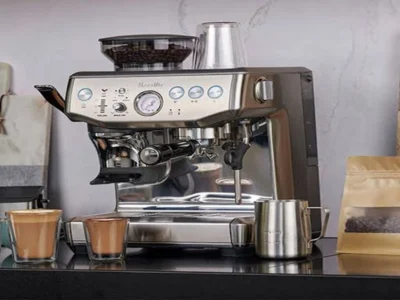
The coffee machine industry is shaped by a handful of influential manufacturers and a relentless wave of technological innovation that continues to redefine what is possible in coffee brewing. Whether in a bustling Singapore cafe or a quiet home kitchen, the machines people use today are the product of decades of engineering refinement, fierce competition, and a shared commitment to delivering the perfect cup.
The Major Players Driving Innovation
The global coffee machine market is dominated by several established corporations, each with distinct strengths. European brands have historically led in espresso machine engineering, bringing precision and heritage to the craft. Swiss and Italian manufacturers, in particular, have set benchmarks for build quality, extraction consistency, and design elegance that competitors strive to match.
In the commercial segment, companies specialising in fully automatic bean-to-cup machines have gained significant ground. These firms focus on reliability, ease of use, and the ability to serve high volumes without compromising on taste. Their machines are engineered for environments where downtime is costly – hotels, offices, convenience stores, and quick-service restaurants.
Asian manufacturers have emerged as formidable contenders, particularly in the mid-range segment. Japanese and South Korean firms bring expertise in electronics, compact design, and user interface development. Their coffee machine offerings often feature intuitive touchscreens, energy-saving modes, and modular components that simplify maintenance.
“Singapore is a unique market because consumers here are exposed to global brands and local innovation simultaneously,” notes David Lim, a beverage technology analyst based in Singapore. “The competition is fierce, and that ultimately benefits the end user.”
Breakthroughs in Brewing Technology
Precision Extraction Systems
The heart of any coffee brewing equipment lies in its extraction mechanism. Recent advances have introduced variable-pressure profiling, where the machine adjusts water pressure throughout the extraction cycle to optimise flavour. Traditional espresso machines applied a constant nine bars of pressure. Modern systems can ramp pressure up and down in programmable stages, mimicking techniques that skilled baristas perform manually.
This technology has three key benefits:
- Enhanced flavour clarity, with distinct tasting notes emerging from each bean variety
- Greater consistency across hundreds of consecutive cups
- Reduced bitterness and over-extraction, even with darker roasts
Advanced Grinder Integration
The grind is arguably the most critical variable in coffee preparation. Leading manufacturers now integrate ceramic or titanium flat-burr grinders directly into their machines, with stepless adjustment mechanisms that allow operators to dial in grind size to within microns. Some systems use sensors to detect bean density and moisture content, automatically adjusting grind parameters to maintain optimal particle distribution.
Milk Frothing and Texturing
Milk-based drinks account for a substantial share of coffee sales in Singapore and across the Asia-Pacific region. Recognising this, manufacturers have invested heavily in automatic milk systems. The latest generation of barista machines features:
- Dual-boiler configurations that steam milk and brew espresso simultaneously
- Automatic cleaning cycles that purge milk lines after each use
- Temperature and texture presets for different drink types, from silky flat whites to thick cappuccino foam
- Cold foam attachments for iced beverage preparation
These systems deliver results that closely rival hand-steamed milk, a remarkable achievement that would have seemed impossible just a few years ago.
The Rise of Artificial Intelligence in Coffee Machines
Artificial intelligence is no longer a futuristic concept in the coffee machine industry – it is a present reality. Several manufacturers have introduced machines equipped with machine-learning algorithms that analyse brewing data to optimise performance over time. These systems track variables such as water temperature stability, extraction time, and user preferences to continuously refine their output.
Predictive Maintenance
AI-driven diagnostics represent one of the most practical applications of this technology. Rather than waiting for a component to fail, smart coffee brewing systems monitor wear patterns and alert operators before problems occur. This predictive approach minimises downtime, reduces repair costs, and extends machine lifespan – critical advantages for commercial operators who cannot afford service interruptions during peak hours.
Personalisation at Scale
In office and hospitality environments, AI enables personalised drink menus. Users can save their preferred recipes – specific milk ratios, temperatures, and strength levels – and recall them with a tap of a card or a smartphone. For businesses serving diverse teams with varied tastes, this level of customisation transforms the coffee experience from generic to genuinely personal.
Connectivity and the Internet of Things
The integration of IoT technology into commercial espresso machines has created new possibilities for fleet management. Operators overseeing dozens or hundreds of machines across multiple sites can monitor performance, track consumable levels, and schedule servicing through centralised dashboards. Data analytics reveal usage patterns that inform purchasing decisions, staffing schedules, and menu development.
Cloud connectivity also enables remote firmware updates, ensuring that machines benefit from the latest software improvements without requiring a technician visit. This capability is particularly valuable in markets like Singapore, where labour costs are high and technical specialists are in demand.
What Sets the Leaders Apart
In a crowded market, the companies that thrive are those combining hardware excellence with comprehensive service ecosystems. The best manufacturers do not simply sell machines – they provide end-to-end solutions encompassing installation, training, maintenance, and consumable supply. This holistic approach builds long-term relationships and ensures that the technology delivers its full potential throughout its operational life.
For Singapore businesses evaluating their options, the depth of a provider’s service network matters as much as the specifications of the machine itself. A provider that offers responsive local support, genuine spare parts, and a curated selection of quality beans creates value that extends far beyond the initial purchase.
The coffee machine industry rewards those who invest in both technology and relationships, and the key players shaping this sector understand that truth profoundly.








Comments